This is a presentation I gave to the Conejo Valley Amateur Radio Club (CVARC) on October 15, 2026. It explores the dramatic wireless communications failures aboard the Titanic, from the overlooked iceberg warnings to the heroic final transmissions of Jack Phillips and Harold Bride. The presentation traces how the disaster transformed maritime radio and safety regulations—and draws lessons that still apply to emergency communications today.
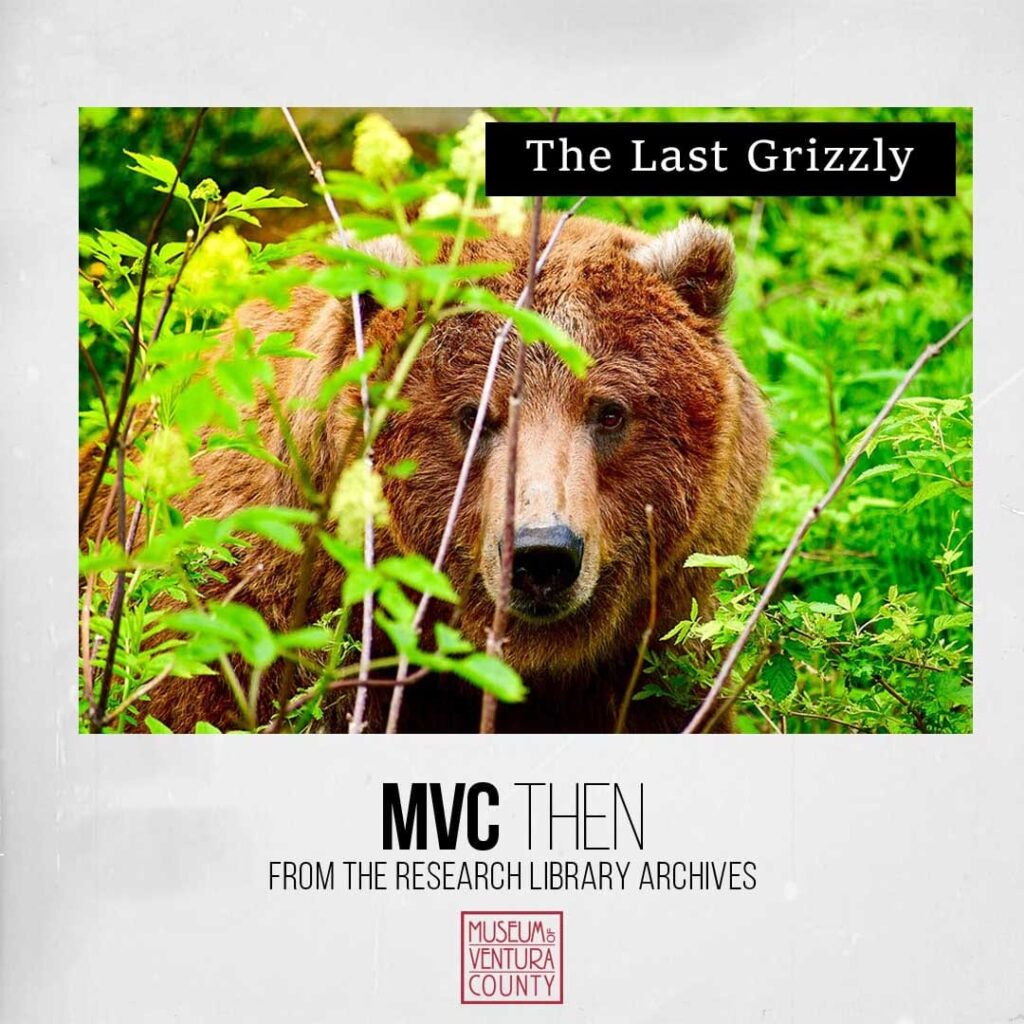
The Last Grizzly
By Library Docent Volunteer Andy Ludlum
On August 7, 1926, Ojai District Ranger Earl Branson quietly documented an encounter that, by all accounts, should not have happened. Deep in the Santa Barbara National Forest, he came face to face with a California grizzly, an animal widely believed to have disappeared from the region two years earlier. His official report was factual and restrained, but beneath its understated language was the story of an encounter that briefly reopened the question of whether the state’s most legendary predator had truly vanished.
Read the Story: Museum of Ventura County
How We Respond to Sound
Why Your Brain Loves and Hates Certain Sounds
This is a presentation I gave to the Conejo Valley Amateur Radio Club (CVARC) on August 20, 2026. It covers how the human brain processes sound with real-world examples from movies, music, and even the “brown note.” The presentation explores how the science relates to amateur radio transceiver design.
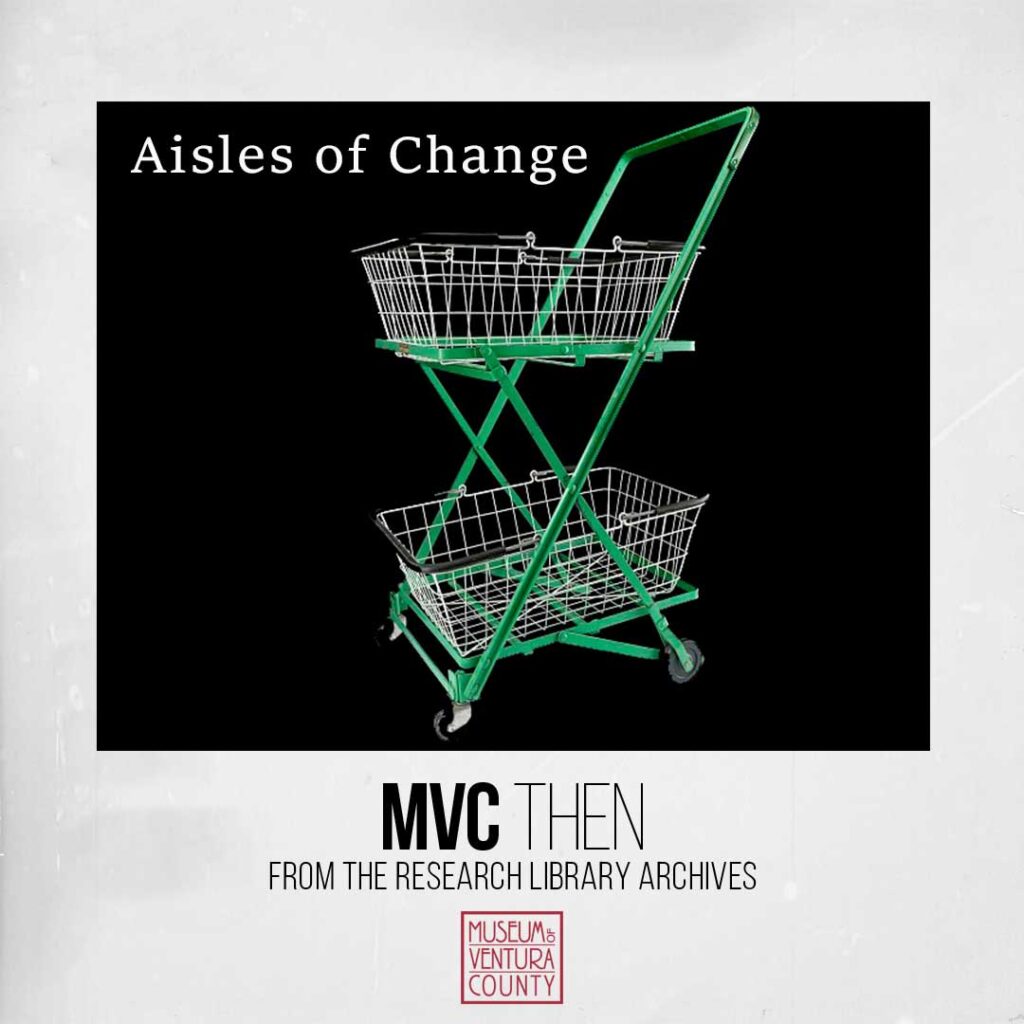
Aisles of Change: From Counters to Carts
By Library Docent Volunteer Andy Ludlum
One evening in 1937, grocer Sylvan Goldman noticed a problem. Shoppers, often women with children, struggled to carry heavy baskets under their arms. Once the baskets got too full, they stopped buying. Looking around his office, Goldman spotted a folding chair and had an idea. With help from an employee, he built a prototype: a folding frame on wheels with two baskets stacked where the seat would be. It was the first shopping cart.
While the cart didn’t catch on right away, it soon became a symbol of modern convenience and spread across the country. After World War II, carts helped attract customers to larger supermarkets, including those in Ventura County.
Read the Story: Museum of Ventura County
Art From Cloth 2026
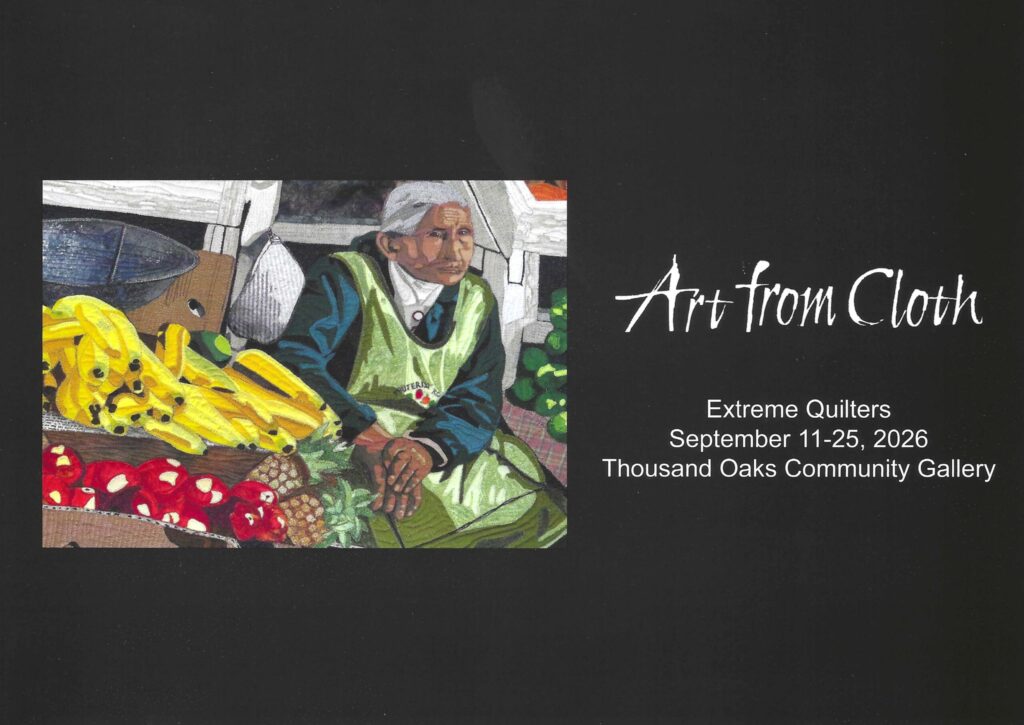
When: September 11-25, 2026, open daily 10 a.m. to 5 p.m.
Where: Thousand Oaks Community Gallery, 2331 Borchard Road, Newbury Park, California 91320
Bonus for visitors: A gift boutique featuring unique items made by artists in the show
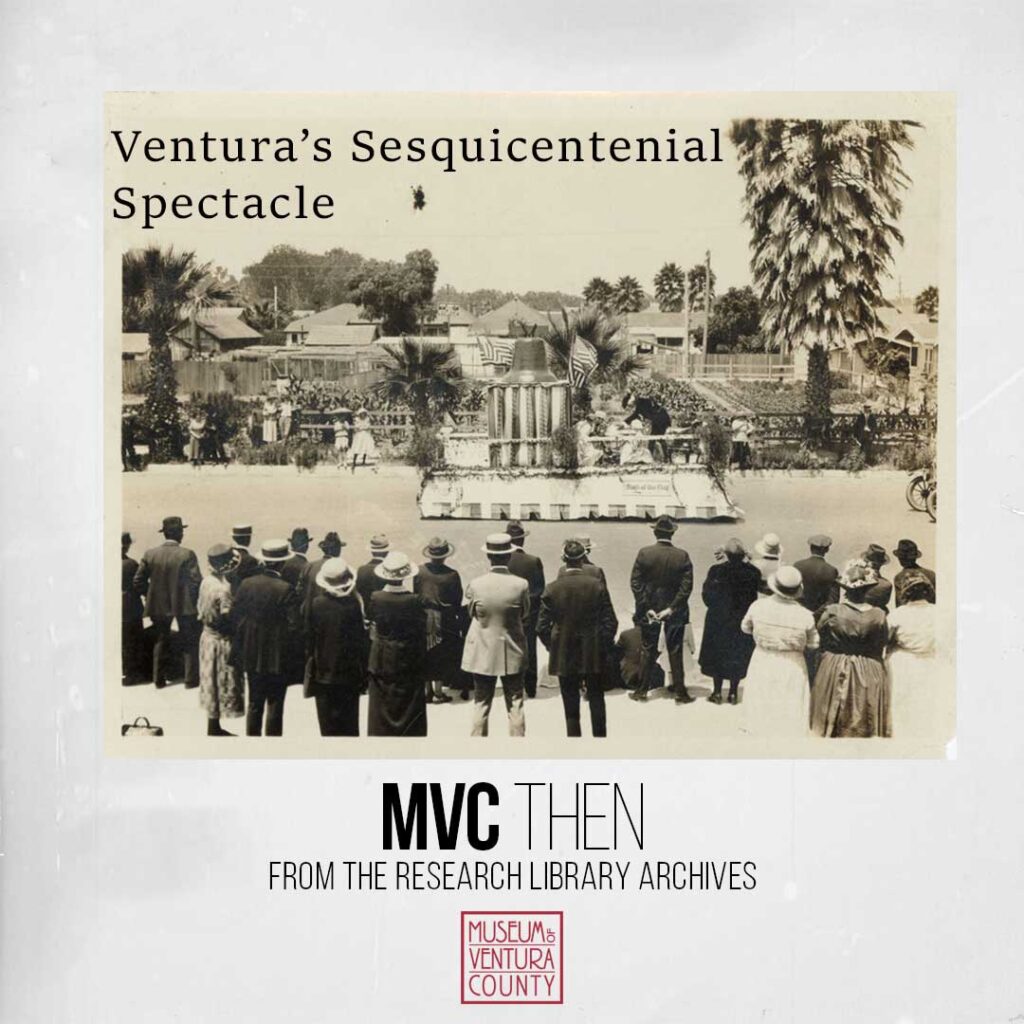
Ventura’s Sesquicentennial Spectacle
By Library Docent Volunteer Andy Ludlum
Moorpark had gone all out for Ventura’s massive 1926 Fourth of July parade. A Moorpark Enterprise columnist sat in an open touring car decorated with flags, bunting, and flowers. Two large signs in red, blue, and black lettering read: “California Apricot Exhibit,” “June 21–24,” and “Moorpark, the Home of the Apricot.” The columnist called the experience “astonishing and nearly unbelievable” and joked: “Never saw so many people before in all my life, and so many people never saw me before. Oft times I have done things to show myself off as a prune, they say, but Monday was the only time I have ever had the opportunity of trying to be an apricot.”
Ventura’s celebration marked the nation’s Sesquicentennial, the 150th anniversary of the Declaration of Independence. It was the largest and most dramatic patriotic event Ventura had ever staged and remains a landmark civic occasion to this day.
Read the Story: Museum of Ventura County
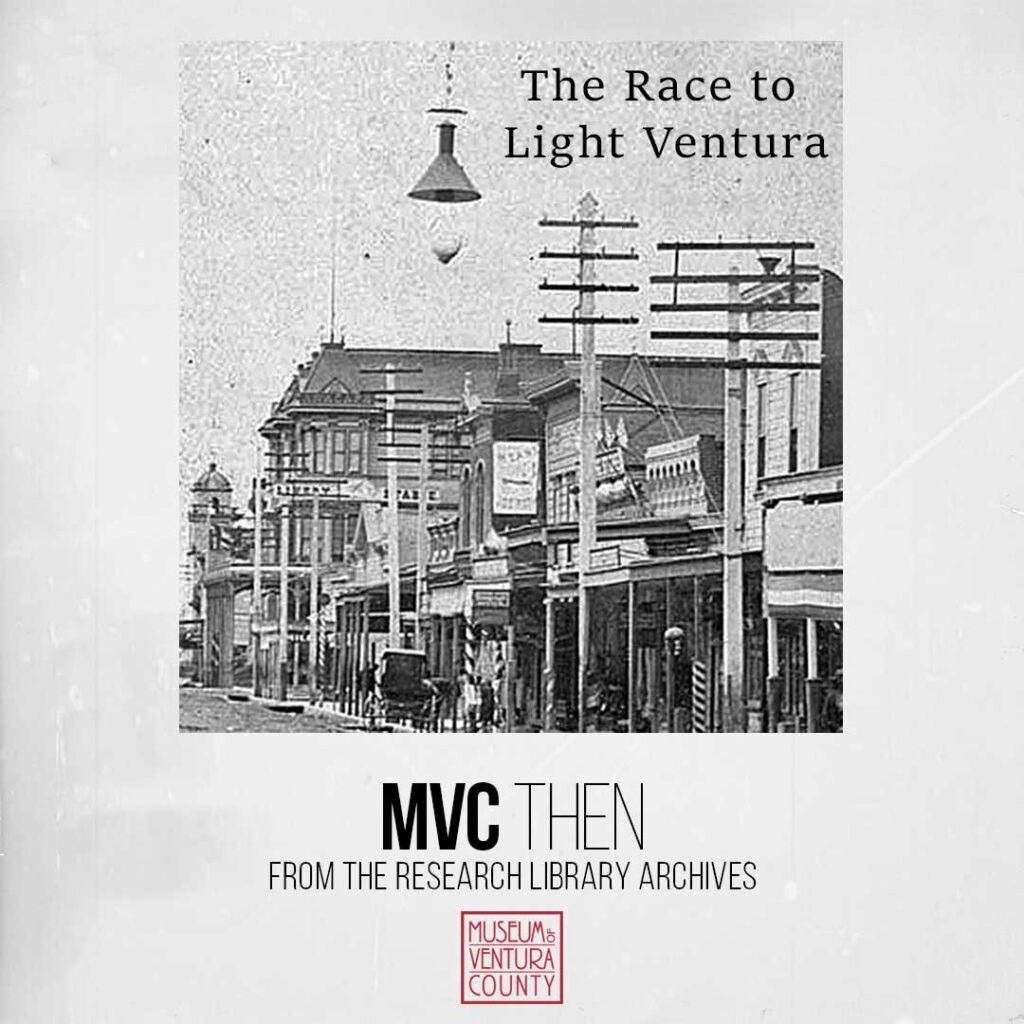
The Race to Light Ventura
By Library Docent Volunteer Andy Ludlum
It was 3 a.m. on July 5, 1890. On Ventura’s dark Main Street, a team of laborers moved quietly but quickly along the dirt roadway, guided only by the flickering glow of handheld lanterns. They carried long, redwood poles, heavy and unwieldy, laid end to end on wagons or dragged on the ground. Working by lamplight, the crews marked each location, then, sweating, they dug deep holes by hand with shovels and augers into the compacted earth.
Read the Story: Museum of Ventura County
Mosaic Totoro Flower Pot

My daughter Mariel has always been a big anime fan. One of her favorites is the 1988 Japanese animated film, My Neighbor Totoro, written and directed by Hayao Miyazaki and produced by Studio Ghibli.
Totoro is a giant, fluffy, creature that looks like a combination of an owl, a cat, and a raccoon dog. He is the Guardian of the Forest and lives in a giant camphor tree in the Japanese countryside. Totoro is a symbol of childhood innocence, the power of imagination, and the magic of the natural world. Only children can see him.
Some years ago I made a Totoro mosaic for Mariel that frankly was not my best work. So, I decided for this year’s mosaic project that I would make a outdoor flower pot for Mariel, with the four sides depicting the friendly wood spirit Totoro and his family of two smaller spirits.
I found a terracotta flower pot. I used a professional sealant inside and out so that water would not seep through the pot and pop the tiles off. Because this was an outdoor project, the glass tiles were adhered with thinset mortar.
I sent Mariel regular updates on my progress with the photos in the gallery below.


The Lions of Ventura County

by Library Docent Volunteer Andy Ludlum
It was a quiet June morning in 1926 when Joshua Stockton of South Mountain set out along the trail to his ranch. Just beyond a sharp bend, a shadow leaped from the chaparral and a mountain lion blocked his path. For a heart-stopping moment, man and beast stared each other down. The lion lunged, closing to just ten feet, its wild eyes fixed on Stockton. Most would have run but Stockton held his ground, slowly moving forward, refusing to give an inch.
Read the story: Museum of Ventura County
Chasing Marion: Ventura County’s Notorious Burglar

by Library Docent Volunteer Andy Ludlum
Juan Marion stood in the dark ocean, water up to his neck. The cold January waves made him gasp. The shock numbed the pain from the bullet that grazed his side and the handcuffs that cut into his wrists. He stayed still, watching as sheriff’s deputies swept the Santa Clara riverbed and the ocean with their flashlights, looking for him.
Read the story: Museum of Ventura County